
When we think of Cusco, we all picture Inca temples and perfectly fitted stone walls. But very few people know that, before the Inca Empire, other civilizations already ruled the Andes. One of them was the Wari culture, and its most important legacy in southern Peru lies in a fascinating place: Pikillaqta.
The Road to Pikillaqta
I left Cusco early, with a coca tea in hand and my camera ready. The trip to Pikillaqta takes about 45 minutes, heading southeast, past golden fields and mountains that look painted. The road is calm and beautiful, perfect for an unhurried ride.
I arrived just as the sun was starting to light up the hills, and the first thing I thought was: "How is it possible that so few people know about this place?"
The name Pikillaqta means "city of fleas" in Quechua — although it actually has nothing to do with insects, but rather with the tiny scale of its structures when seen from above.
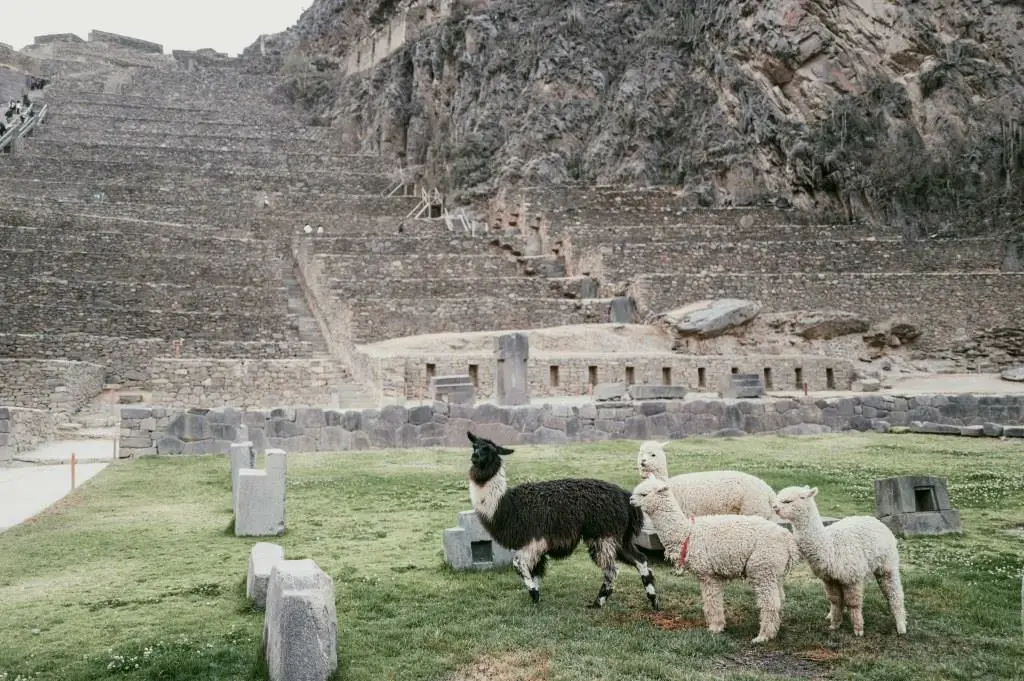
A Wari City in the Heart of Cusco
Unlike Inca constructions, Pikillaqta predates the Tahuantinsuyo, built between the 6th and 9th centuries by the Wari, a culture that dominated much of southern Peru long before the Inca Empire was born.
The site consists of more than 700 structures, perfectly aligned walls, and straight streets that demonstrate urban planning far ahead of its time.
Archaeologists consider Pikillaqta one of the best-preserved pre-Inca cities in Peru, comparable in importance to the ruins of Tiwanaku in Bolivia.
"Administrators, warriors, and priests once lived here. Pikillaqta was a major Wari political and ceremonial center."
Silence and Connection
What struck me most wasn't the structures — it was the silence. All you hear is the wind and the occasional distant bird. That's when I understood why the lesser-known places are sometimes the most powerful.
I walked to a natural lookout point and watched the valley open up before me. In the distance, Lake Huacarpay mirrored the sky like a mirror. It's a landscape that invites you to stand still, to look, and to breathe.
What to See at Pikillaqta
Monumental walls: some over 12 meters tall.
Straight streets and plazas: evidence of the Wari culture's advanced organization.
Temples and ceremonial precincts: where religious rituals took place.
Lake Huacarpay: a natural spot at the foot of the complex, ideal for photos or birdwatching in the Andes.
Tip: combine your visit to Pikillaqta with the archaeological site of Tipón, another lesser-visited treasure that showcases Inca hydraulic engineering.
Tips for your visit
- Visit early, between 8:00 and 10:00 a.m., to have the site almost to yourself.
- Bring a cap and sunscreen: the sun is strong and there's little shade.
- Wear comfortable shoes; the terrain is uneven.
- Ask your guide to show you the underground channels and less accessible areas.
- Combine it with Tipón for a full day of pre-Inca archaeology.
When I got back to Cusco, I understood something: the history of the Andes didn't begin with the Incas, and Pikillaqta is living proof of that. Here, every wall tells a different story, and every stone holds centuries of wisdom worth listening to. Visiting it is like traveling through time — and a reminder that, even in forgotten places, the past keeps breathing.