Table of Contents Mostrar / Ocultar
Trail Stats · At a Glance
Traveling from the imperial city of Cusco to the legendary Inca Citadel of Machu Picchu is widely recognized as one of the world’s greatest travel adventures. Yet, for first-time visitors, the journey can feel surprisingly complex: no roads lead directly to the ruins, train schedules and citadel entry slots must align with minute-by-minute precision, and travel options range from glass-domed luxury trains to multi-day alpine trekking expeditions across high Andean passes.
In this comprehensive, step-by-step master guide created by the local specialists at Peru Beyond, we outline all available transportation routes, realistic travel times, exact elevations, price breakdowns, and insider logistical advice for planning your trip in 2026 and 2027.
1. Quick Comparison Table: All Ways to Reach Machu Picchu (“At a Glance”)
Before exploring each option in depth, compare the 5 main routes from Cusco to Machu Picchu at a glance:
| Travel Route | Total Travel Time | Comfort Level | Physical Effort | Estimated Budget (USD) | Best Suited For |
|---|---|---|---|---|---|
| Classic Train (via Ollantaytambo) | 3.5 to 4.0 hours | Very High (Plush seats, panoramic ceiling glass) | Minimal (Suitable for all ages & fitness levels) | $160 - $260 USD (Train + Bus + Ticket) | First-timers, families with children, couples |
| All-Inclusive Package with Peru Beyond | Full Day or 2D/1N | Maximum (Private door-to-door transfers & expert guide) | Relaxed / Effortless | $280 - $450 USD (Seamlessly synchronized) | Travelers seeking zero stress, comfort, and local expertise |
| Classic Inca Trail (4 Days / 3 Nights) | 4 days on foot (43 km / 27 mi) | Rustic Camping in mountain tent camps | Strenuous (Crosses 4,215 m / 13,828 ft pass) | $650 - $950 USD (Strict permits required) | Hiking purists, history lovers, and bucket-list trekkers |
| Salkantay Trek (5 Days / 4 Nights) | 5 days on foot (65 km / 40 mi) | Adventure Lodges & geodesic dome camps | Very Strenuous (Crosses 4,630 m / 15,190 ft pass) | $450 - $700 USD | Active adventure travelers seeking glaciers and cloud forest |
| Hidroeléctrica Route (Backpacker Route) | 7.5 to 9.0 hours | Low (6-hour mountain van ride + 10 km hike) | Moderate (2.5 to 3-hour flat track walk) | $90 - $130 USD | Budget backpackers with ample time and tight funds |
 The scenic rail ride following the rushing Urubamba River through the Sacred Valley is considered one of the most stunning train routes in the world.
2. Why Are There No Direct Roads to Machu Picchu?
One of the most frequent questions from international travelers arriving in Cusco is: Why can’t I simply take a direct Uber, taxi, or highway bus from Cusco straight to the ruins of Machu Picchu?
The answer lies in dramatic geography and environmental preservation:
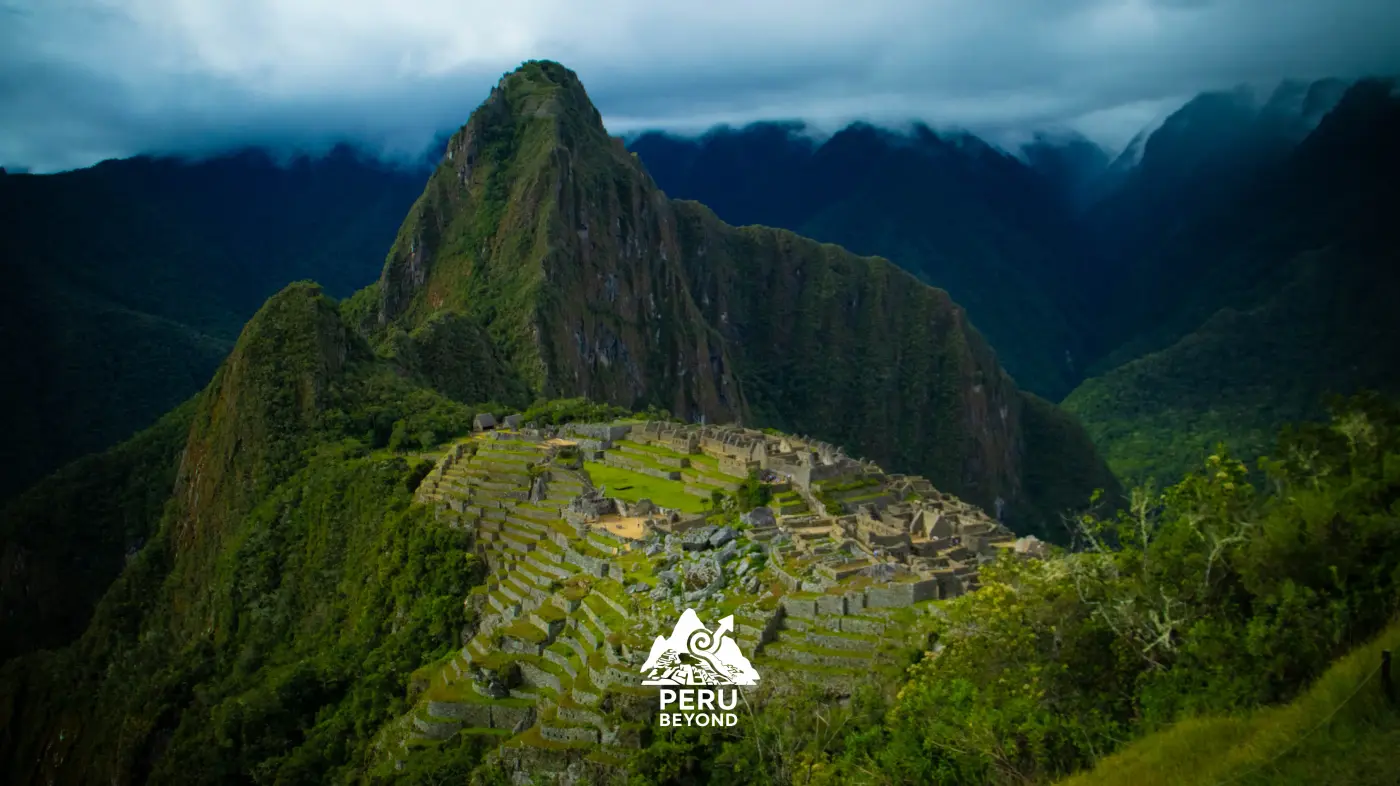
- The Sheer Urubamba River Canyon: Machu Picchu rests on a narrow granite ridge at 2,430 meters (7,972 ft) above sea level, flanked by near-vertical cliffs dropping over 400 meters (1,312 ft) to the roaring Urubamba River below. The terrain is geologically dynamic, subject to heavy seasonal rain and natural seismic activity.
- Protected UNESCO World Heritage Sanctuary: Spanning over 32,592 hectares (80,500 acres), the Machu Picchu Historical Sanctuary is under strict ecological protection managed by SERNANP. Paving a high-speed highway would irreparably fracture the sensitive cloud forest ecosystem, which provides vital habitat for the endangered spectacled bear (Tremarctos ornatus), the Andean cock-of-the-rock (Rupicola peruvianus), and more than 400 species of native wild orchids.
- The Mandatory Transit Hub: Aguas Calientes: Because of this natural barrier, the rail terminus of Aguas Calientes (Machu Picchu Town), situated at 2,040 m (6,692 ft) on the canyon floor, serves as the only gateway town. From there, the only motorized connection to the sanctuary entrance is the famous zigzagging gravel road known as the Hiram Bingham Highway, exclusively serviced by authorized green shuttle buses.
›› Important Elevation Note: Machu Picchu is significantly lower than Cusco. While Cusco sits at a dizzying 3,399 meters (11,152 ft), Machu Picchu lies at a comfortable 2,430 meters (7,972 ft)—nearly 1,000 meters (3,280 ft) lower! Visitors frequently notice that their breathing becomes noticeably easier and altitude fatigue eases upon descending to the citadel.
3. Option 1: The Train Route Step by Step (The Most Comfortable & Efficient Way)
Chosen by over 85% of worldwide visitors, the scenic train journey consists of three consecutive stages that must be scheduled in chronological order:
[Cusco: 3,399 m / 11,152 ft] ──(Coach 1h 45m)──> [Ollantaytambo: 2,792 m / 9,160 ft] ──(Train 1h 40m)──> [Aguas Calientes: 2,040 m / 6,692 ft] ──(Bus 30m)──> [Machu Picchu Citadel: 2,430 m / 7,972 ft]Stage 1: From Cusco to Ollantaytambo Train Station
Most trains do not depart from central Cusco, but rather from Ollantaytambo Station, located in the western sector of the Sacred Valley of the Incas.
- Distance: 93 kilometers (58 miles) from Cusco city center.
- Drive Time: 1 hour 45 minutes to 2 hours along scenic paved roads winding past Chinchero and Urubamba.
- Elevation Change: You descend from Cusco’s 3,399 m (11,152 ft) down to Ollantaytambo’s milder 2,792 m (9,160 ft).
- Transport Options for Stage 1:
- Private Transfer with Peru Beyond: Hotel pickup at your preferred time with private driver, luggage handling, and optional photo stops in Sacred Valley viewpoints.
- Bimodal Service by Rail Companies: Official combined tickets that include a dedicated charter bus departing Cusco (Wanchaq Station for PeruRail or Av. El Sol for Inca Rail) straight to Ollantaytambo Station.
- Public Colectivo Vans: Depart continuously from Calle Pavitos in Cusco (cost approx. 12 to 15 Soles / ~$4 USD). Not recommended if you have tightly timed train departures.
›› Direct Train Departures from Poroy or San Pedro: During the dry season (May to December), select premium train departures operate directly from Poroy Station (25 minutes outside Cusco) or San Pedro Station (in downtown Cusco). During the rainy season (January to April), these stations close for safety due to steep gorge slopes, with all services operating bimodally via Ollantaytambo.
Stage 2: The Train Journey to Aguas Calientes (Machu Picchu Town)
At Ollantaytambo Station, you board your train for a dramatic 43-kilometer (27-mile) ride alongside the raging Urubamba River, watching Andean alpine peaks transition into sub-tropical cloud forest flora.
- Train Travel Time: 1 hour 35 minutes to 1 hour 45 minutes.
- Arrival Point: Aguas Calientes Terminal Station (2,040 m / 6,692 ft).
Two authorized railway operators run regular services: PeruRail and Inca Rail. Both provide tiered wagon categories:
Comparative Table: Train Classes & Onboard Amenities:
| Rail Company | Train Class | Core Wagon Features | Onboard Service & Perks | Typical One-Way Fare (USD) |
|---|---|---|---|---|
| PeruRail | Expedition | Standard tourist coach, cushioned fabric seats, large side windows | Background Andean music, snack bar purchases | $60 - $85 USD |
| PeruRail | Vistadome | Wraparound glass ceilings & oversized panoramic windows, leather seats | Gourmet Andean snack, live Saqra folkloric dance show & baby alpaca fashion parade | $85 - $115 USD |
| PeruRail | Vistadome Observatory | Includes open-air outdoor observation car with bar counter | Live traditional music, welcome cocktail, cultural dance show | $110 - $150 USD |
| PeruRail | Belmond Hiram Bingham | World-renowned ultra-luxury 1920s Pullman-style vintage train | 4-course gourmet lunch/dinner, open bar, live band, observatory car, and VIP citadel access | $480 - $600+ USD |
| Inca Rail | The Voyager | Comfortable padded seating, folding tray tables, ambient audio | Complimentary hot or cold beverage | $60 - $80 USD |
| Inca Rail | The 360° | Extra-wide panoramic domed windows, interactive audio-guide app | Organic snack from Sacred Valley farms, open-air scenic car | $85 - $110 USD |
| Inca Rail | The First Class | Exclusive luxury coach with live music and observational lounge | 3-course gourmet dining experience, fine wine pairing, and pisco sour masterclass | $170 - $240 USD |
| Inca Rail | The Private | Entire private lounge car for families or corporate retreats (up to 8 guests) | Private onboard chef, personalized menu, open champagne bar, and luxury road transfers | On request / Charter |
 Glass-domed train carriages offer spectacular views of the Sacred Valley’s soaring granite cliffs.
Stage 3: Aguas Calientes to Machu Picchu Gate (Bus vs. Hike)
After stepping off the train in Aguas Calientes, walk 3 minutes through the handicraft market to the main bus station. Here you have two choices to reach the entrance gates:
Option A: Consettur Shuttle Bus (Highly Recommended)
- Ascent Time: 25 to 30 minutes.
- Route: 9 kilometers up the winding switchbacks of the Hiram Bingham Highway.
- Frequency: Buses depart continuously every 5 to 10 minutes starting at 05:30 AM.
- Official Foreign Fares: $24 USD roundtrip ($12 USD one way); children pay $12 USD roundtrip.
- Why Choose the Bus: It preserves your physical energy for the 2.5 to 4 hours of demanding walking and stone stair climbing required inside the archaeological circuits.
Option B: Hiking the Stone Staircase
- Ascent Time: 1 hour 30 minutes to 2 hours of steep, relentless climbing.
- Route: Over 1,700 uneven ancient stone steps cutting through dense, humid cloud forest.
- Elevation Gain: +400 vertical meters (+1,312 ft).
- Who Should Hike: Recommended only for fit, active travelers with plenty of time who enjoy steep cardio workouts. If you hold tickets for mountain climbs like Huayna Picchu or Machu Picchu Mountain, do not hike up from town, as your leg muscles will be exhausted before your summit climb begins.
💡 Peru Beyond Insider Tip: If you choose a 1-day Full Day trip, every minute counts. Purchasing your Consettur bus vouchers in advance alongside your train tickets and entry permits spares you up to 45 minutes of standing in ticket counter queues in Aguas Calientes.
4. Option 2: Arriving via Historic Trekking Routes
For adventurous travelers who seek a physical and spiritual pilgrimage, multiple world-class hiking trails lead to Machu Picchu:
1. The Classic Inca Trail (4 Days / 3 Nights — 43 km / 27 miles)
- The Experience: South America’s most revered trekking trail. You hike the original stone-paved imperial highway (Qhapaq Ñan), exploring exclusive archaeological ruins including Patallacta, Runkurakay, Sayacmarca, and Wiñay Wayna.
- The Climax: The only trek in the world allowing you to enter Machu Picchu on foot through Inti Punku (The Sun Gate) at sunrise on Day 4.
- Difficulty: Moderate to demanding. Day 2 crosses the infamous Dead Woman’s Pass (Warmiwañusqa) at 4,215 meters (13,828 ft).
- Crucial Requirement: Peruvian law caps daily access at 500 total permits (including guides, porters, and cooks). Bookings must be made 5 to 7 months in advance. The trail is closed every February for ecological restoration.
2. The Short Inca Trail (2 Days / 1 Night — 12 km / 7.5 miles)
- The Experience: Board the train to Kilometer 104 on the tracks, disembark, and trek past Wiñay Wayna to Inti Punku for sunset views of Machu Picchu on Day 1. Sleep in a hotel in Aguas Calientes and explore the citadel thoroughly on Day 2.
- Difficulty: Moderate. Ideal for hikers who want the magic of the Inca Trail without multi-night camping.
3. Salkantay Trek (5 Days / 4 Nights — 65 km / 40 miles)
- The Experience: Ranked by National Geographic among the world’s top 25 treks. It links the glacial wilderness of Mount Salkantay (crossing the high pass at 4,630 m / 15,190 ft) with the coffee plantations, hot springs, and avocado groves of the high Amazon basin.
- Difficulty: High / Strenuous. Requires solid fitness and proper altitude acclimatization, but does not sell out permits months ahead like the Classic Inca Trail.
5. Option 3: The Alternative Hidroeléctrica Route (Budget Backpacker Route)
Popular among long-term backpackers seeking to minimize rail costs, this route bypasses train tickets in exchange for long vehicle hours:
The Journey Step by Step:
- Leg 1 (Cusco to Hidroeléctrica by Van): Board a shared van in Cusco that crosses the Sacred Valley, climbs over the frigid Abra Málaga Pass at 4,316 m (14,160 ft), and winds down dangerous cliffside dirt roads past Santa María and Santa Teresa to the hydroelectric dam station.
- Driving Time: 6 to 7 hours of sharp mountain curves.
- Leg 2 (Hiking Along the Tracks):
- Distance: 10 kilometers (6.2 miles) of flat gravel walking along the train line circling the base of Machu Picchu Mountain.
- Walking Time: 2.5 to 3 hours in sub-tropical heat.
- Arrival: Reach Aguas Calientes at dusk, stay overnight in a hostel, and visit Machu Picchu the next morning.
Pros and Severe Hazards:
- Pros: Saves $120 to $180 USD on train fares; the flat jungle walk is scenic.
- Drawbacks & Serious Risks:
- Lost Travel Time: Requires spending 1 full day getting there and 1 full day returning (14+ hours in vans), burning 3 full vacation days for a short citadel visit.
- Severe Landslide Risk in Rainy Season (December to April): The narrow unpaved dirt shelf between Santa María and Santa Teresa suffers frequent mudslides (huaycos), rockfalls, and river washouts that can strand travelers for days. Peru Beyond strongly advises against this route between December and April.
6. Full Day vs. Overnight in Aguas Calientes: Comparison
| Factor | 1-Day Full Day Trip from Cusco | 2-Day / 1-Night Trip (Overnight in Aguas Calientes) |
|---|---|---|
| Departure from Cusco | Early dawn (04:00 - 05:00 AM) | Relaxed morning (07:00 - 09:00 AM) |
| Overnight Stay | Return to sleep in Cusco hotel | Boutique hotel stay in Aguas Calientes |
| Machu Picchu Entry Time | Midday or afternoon slots (11:00 AM to 01:00 PM) | Early morning slots (06:00, 07:00, or 08:00 AM) |
| Fatigue Level | High (14 to 16 hours of continuous travel) | Very low (restful, unhurried pace) |
| Sacred Valley Combination | Passing through only | Explore Pisac, Moray & Ollantaytambo on Day 1 |
| Overall Cost | Lower (no extra hotel night required) | Includes hotel accommodation and dining in town |
| Best For | Travelers with tight schedules | Couples, photographers, families, and seniors |
💡 Peru Beyond Pro-Tip: If you have 4 or more days in Cusco, the ultimate itinerary is: Day 1: Tour the Sacred Valley (Moray, Maras Salt Mines, and Ollantaytambo Fortress), catching the late afternoon scenic train to Aguas Calientes; Day 2: Tour Machu Picchu in the crisp morning air and return to Cusco before sunset. This provides progressive altitude acclimatization and zero stress.
7. Recommended Guided Tour Packages with Peru Beyond
To ensure every transport transfer, train seat, bus voucher, and entrance permit aligns perfectly without risk of missed connections, Peru Beyond provides fully coordinated packages with certified local guides and 24/7 multilingual guest support:
- Machu Picchu Full Day Tour: The smoothest, most comprehensive single-day excursion departing and returning to your Cusco hotel.
- Cusco & Machu Picchu Classic (3 Days / 2 Nights): The quintessential itinerary for a seamless Andean getaway.
- Cusco, Sacred Valley & Machu Picchu (4 Days / 3 Nights): Our flagship acclimatization journey, combining imperial temples, craft villages, and the Wonder of the World.
Reserva tu experiencia garantizada con Peru Beyond
Boletos oficiales, traslados privados, guías certificados y asistencia 24/7 en español, inglés y portugués.