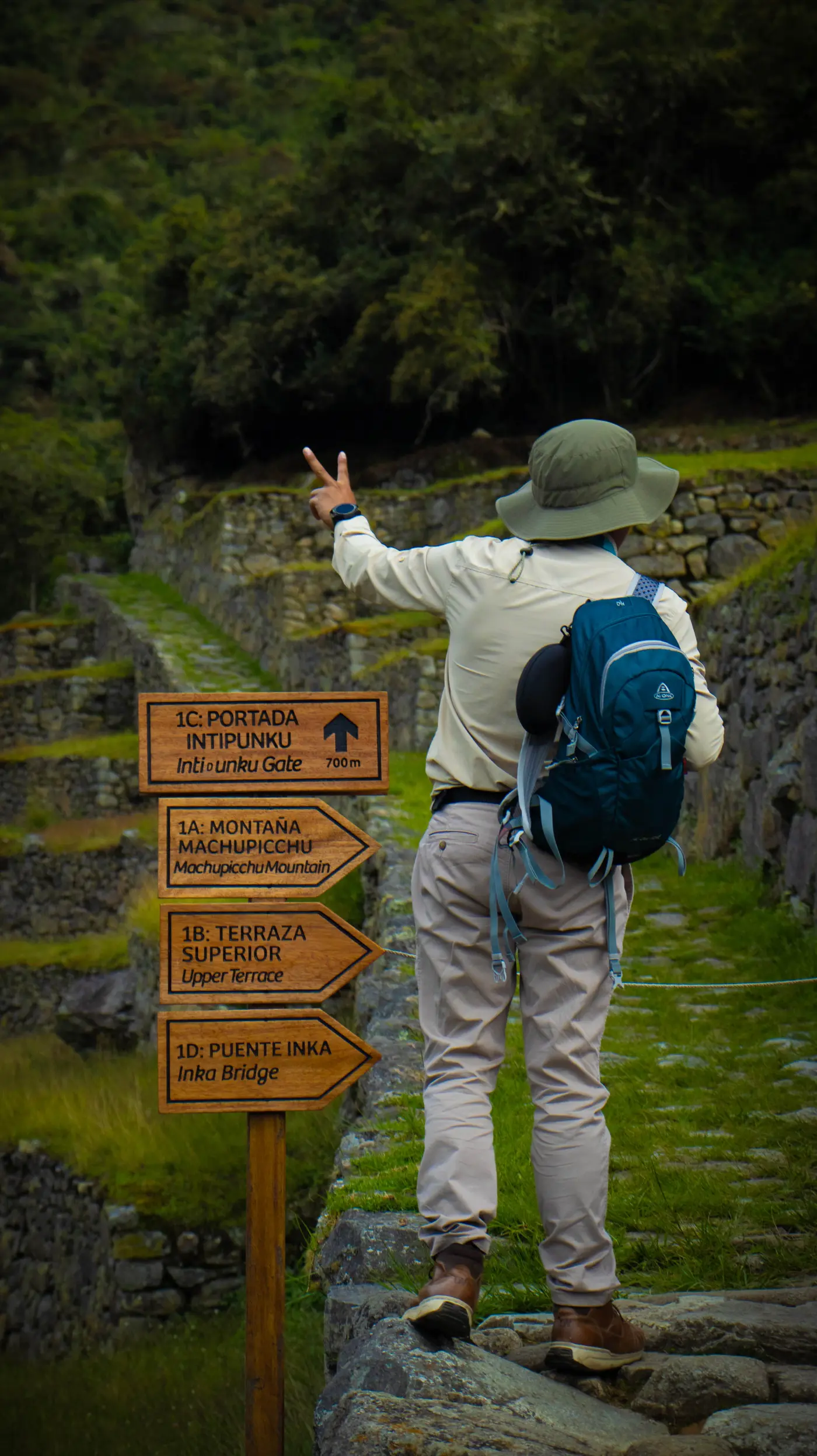
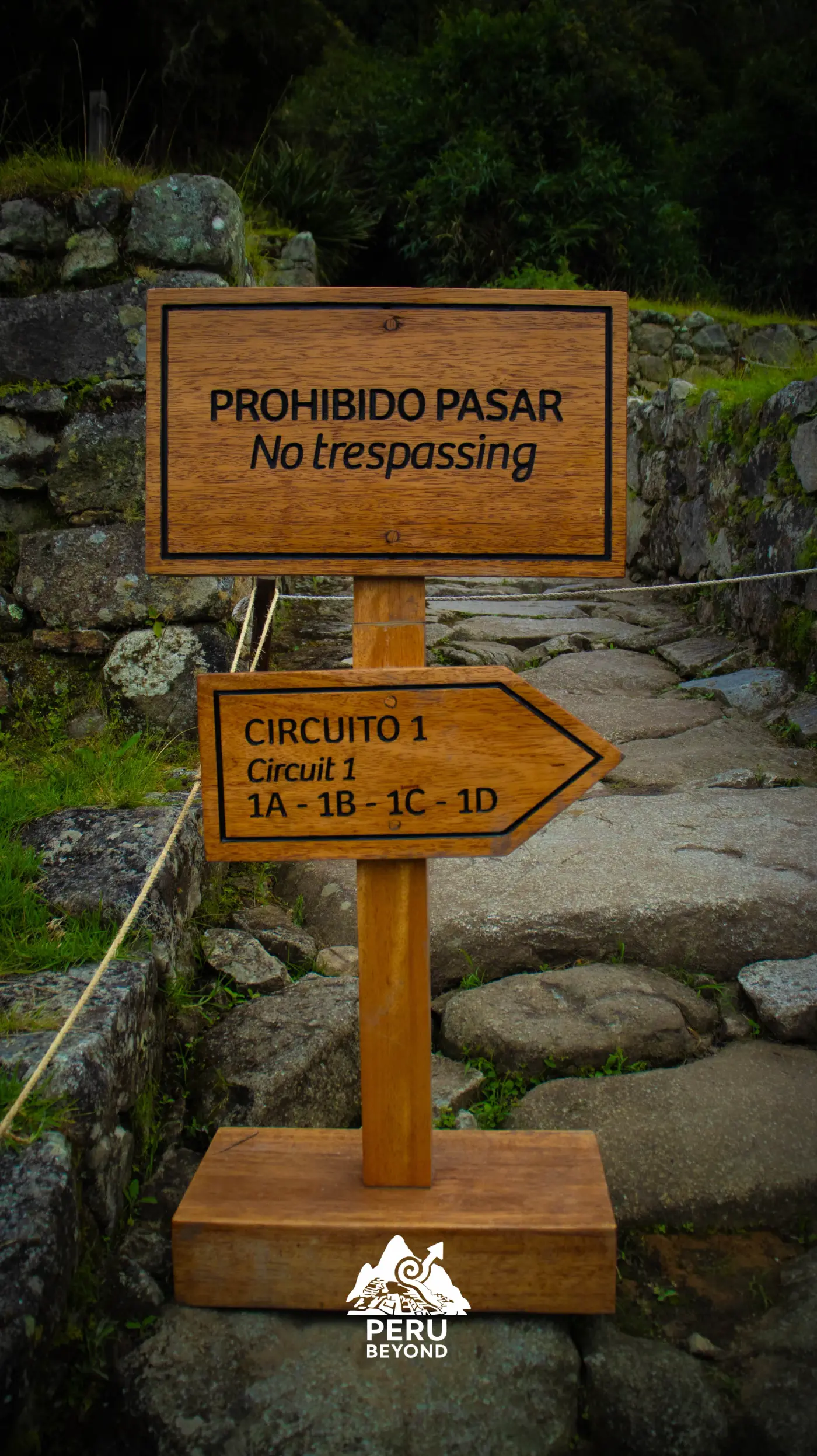
Table of Contents Mostrar / Ocultar
Trail Stats · At a Glance
Packing for a bucket-list expedition to the Inca Sanctuary of Machu Picchu requires careful planning. Located within an Andean cloud forest microclimate at 2,430 meters (7,972 ft), weather can shift dramatically from cool morning mountain mist to baking equatorial sunshine in less than an hour. Furthermore, strict national park regulations, sensitive archaeological preservation rules, and railway luggage weight caps mean you must pack intelligently: bringing every true necessity while avoiding prohibited or overweight items.
To ensure your journey is seamless, comfortable, and free of hassle at checkpoint gates, the destination experts at Peru Beyond have compiled this ultimate master guide and Machu Picchu packing checklist for 2026 and 2027.
1. Master Packing Table: Checklist by Season & Travel Style (“At a Glance”)
Before packing your daypack, review this comparative overview to match your wardrobe with your travel season and route requirements:
| Travel Style / Season | Essential Clothing Layers | Recommended Footwear | Climate Protection | Must-Have Accessories | Suggested Weight & Capacity |
|---|---|---|---|---|---|
| Dry Season (May to October) | Wicking base layer + lightweight fleece + windbreaker shell | Trail runners or hiking shoes with deep rubber lugs | Broad-spectrum SPF 50+ sunscreen, wide-brim hat with chin cord, UV400 sunglasses | Reusable water flask, hydrating lip balm, insect repellent | 18 to 22 L daypack (max 3 to 5 kg / 7 to 11 lbs) |
| Rainy Season (November to April) | Synthetic thermal top + waterproof Gore-Tex jacket + thick PVC rain poncho | Waterproof mid-cut hiking boots with Gore-Tex liner | Heavy-duty hooded rain poncho & waterproof pack rain cover | Watertight Ziploc dry bags for phones, passports & electronics | 20 to 25 L daypack (max 4 to 6 kg / 9 to 13 lbs) |
| 1-Day Full Day Train Tour | Comfortable multi-layer outfit, convertible zip-off pants | Well-cushioned walking or running shoes with traction | Sun cap, insect repellent against local Plumilla gnats | High-capacity power bank, cash in Peruvian Soles | Compact 15 to 20 L daypack (max 3 kg / 6.6 lbs) |
| Mountain Climbs (Huayna Picchu / Machu Picchu Peak) | Ultra-breathable technical tee + wind-resistant lightweight shell | Sturdy trekking boots with Vibram sticky rubber soles | Sweat-absorbing bandana, compact micro-fiber towel | Electrolyte hydration tabs, high-calorie nuts & dried fruit | Ergonomic ultralight daypack (max 3 kg / 6.6 lbs) |
 Wearing the proper footwear and moisture-wicking layers makes the difference between an exhausting trek and an extraordinary experience.
2. Mandatory Travel Documents (Do Not Forget!)
At the primary security checkpoint gate of Machu Picchu, identity verification is strict. You will be denied entry without the following physical documents:
- Original Valid Physical Passport:
- The absolute #1 requirement for all international travelers. It must be the exact same physical passport used when booking your entrance ticket.
- If you renewed your passport after booking, you must carry both the expired original passport and your new valid passport to show matching records.
- Citizens of Andean Community Nations (CAN - Colombia, Ecuador, Bolivia, Peru): May present their official physical National ID Card (Cédula / DNI).
- Official Printed Machu Picchu Entrance Permit:
- Issued by Peru’s Ministry of Culture. We strongly recommend carrying a high-contrast printed paper copy, plus an offline PDF copy saved on your smartphone with a clear QR code.
- Roundtrip Train Tickets:
- Issued by PeruRail or Inca Rail. Mobile wallet passes, app tickets, or printed paper boarding passes are all accepted.
- Consettur Shuttle Bus Vouchers:
- Physical or digital electronic bus tickets for boarding in Aguas Calientes for both uphill and downhill legs.
- Original Physical Student University ID (If booked under Student Fare):
- The Ministry of Culture requires the physical plastic card issued by your accredited university, containing your full name, clear photograph, university seal, and an expiration date clearly printed for the current calendar year. Virtual digital IDs, paper enrollment receipts, and generic ISIC cards without printed expiration dates are rejected.
- Cash in Local Currency (Peruvian Soles - PEN):
- Carry small bills (10 and 20 Soles) and coins. The external public restrooms cost 2 Soles, luggage lockers require cash, and local market stands in Aguas Calientes frequently do not accept cards.
💡 Peru Beyond Travel Tip: Take clear photos of your passport photo page, Machu Picchu tickets, and train boarding passes, and email them to yourself or save them in an offline album prior to leaving your hotel.
3. How to Dress for Machu Picchu: The 3-Layer System
Machu Picchu is situated in a high-elevation subtropical cloud forest (ceja de selva) at 2,430 meters (7,972 ft). Mornings can be damp, windy, and shrouded in cool fog, while afternoons can bring intense, unfiltered equatorial sun.
To stay comfortable across shifting temperatures, outdoor experts utilize the three-layer clothing system:
[Base Layer: Breathable]  ──>  [Mid Layer: Thermal Insulation]  ──>  [Outer Layer: Weather Protection]
Technical wicking t-shirt        Lightweight fleece or sweater        Windproof & waterproof jacket
Layer 1: Breathable Base Layer (Next to Skin)
- Wicks perspiration away from your body to keep your skin dry.
- What to wear: Quick-dry synthetic shirts (polyester, polypropylene) or lightweight merino wool.
- Avoid: Heavy cotton t-shirts. Cotton retains sweat, stays damp, and makes you feel cold as soon as you stop walking.
Layer 2: Insulating Mid Layer
- Traps your body heat to keep your core warm during cool morning hours.
- What to wear: A lightweight zippered microfleece jacket or light packable sweater that easily stows in your daypack when the sun emerges.
Layer 3: Weatherproof Outer Shell
- Shields against mountain valley gusts and sudden cloudbursts.
- What to wear: A breathable, waterproof windbreaker jacket (Gore-Tex or similar). In the rainy season, always pair this with a sturdy hooded poncho.
4. Ideal Footwear and Pants
During an average visit inside Machu Picchu, you will navigate between 600 and over 1,500 historic, uneven granite stone steps constructed more than five centuries ago.
The Right Shoes:
- Trekking Shoes or Trail Runners: Models featuring high-traction vulcanized rubber soles (such as Vibram or Contagrip) offer superior grip on slick stone surfaces.
- Mid-Cut Hiking Boots (Optional): Highly recommended if you have weak ankles or are climbing the precipitous staircases of Huayna Picchu or Machu Picchu Mountain.
- Padded Hiking Socks: Synthetic or merino wool socks with reinforced heels and toes prevent painful friction blisters.
- What NOT to wear: Flat-soled fashion sneakers, dress shoes, sandals, or heels. They are dangerously slippery on wet stone steps.
Recommended Pants:
- Lightweight, stretch-woven hiking pants crafted from ripstop nylon.
- Convertible zip-off pants are ideal: wear them full-length during chilly morning transfers, then zip off the lower legs into shorts when midday temperatures rise.
- Avoid heavy denim jeans: if soaked by rain, they become cold, heavy, and take days to dry.
5. Daypack Regulations & Railway Baggage Limits
Both the archaeological sanctuary and the passenger trains enforce strict luggage dimensions:
Citadel Entrance Dimensions:
- Regulations state daypacks must not exceed 40 x 40 x 20 cm (15.7 x 15.7 x 7.8 in).
- This corresponds to a standard 20 to 25-liter capacity pack.
- If your pack is too large or features an external rigid metal hiking frame, guards will require you to check it into luggage lockers outside the gate (cost: 5 Soles / ~$1.50 USD).
Train Baggage Restrictions (PeruRail & Inca Rail):
- Both rail operators enforce a strict carry-on luggage limit of 5 kg to 8 kg (11 to 17.6 lbs) per traveler.
- Large 23 kg rolling suitcases cannot be brought onto standard passenger carriages.
Where to Store Your Large Luggage:
- Free storage at your Cusco or Sacred Valley Hotel: Almost all hotels in Cusco securely store your large rolling suitcases in their dedicated luggage room at no extra charge while you take an overnight trip to Machu Picchu.
- Lockers in Aguas Calientes: Private luggage storage services in town charge approximately $2 to $4 USD for temporary bag holding.
6. Health, Sun Protection & Insect Defense
At 2,430 meters altitude, UV radiation is severe, and the cloud forest environment is home to specific local insects:
- Broad-Spectrum SPF 50+ Sunscreen: Apply generously 20 minutes before entering and reapply every 2 hours, especially on your nose, ears, neck, and arms.
- Polarized Sunglasses with UV400 Protection: White granite stones reflect intense glare, causing swift eye fatigue without proper eye protection.
- Wide-Brim Sun Hat with Chin Strap: Mountain gusts in the upper terraces can whip hats over steep drop-offs; a secure chin cord prevents loss.
- Repellent Against the “Plumilla” Gnat: Standard mosquitoes are rare at Machu Picchu, but the sanctuary is home to a tiny biting blackfly gnat locally named the Plumilla (Simulium sp.). Bites are painless at first, but erupt hours later into intensely itchy red bumps that can last for days. Apply potent DEET or Picaridin repellent around ankles, wrists, and neck.
- Basic Personal Medical Kit:
- Headache relief (paracetamol or ibuprofen).
- Oral rehydration electrolyte packets for your water bottle.
- Blister bandages (moleskin or hydrocolloid pads).
- Motion sickness tablets if you are prone to dizziness on winding roads.
7. Official List of Prohibited Items at Machu Picchu
To safeguard ancient stone monuments and preserve visitor safety, security guards will confiscate or refuse entry for:
- ❌ Tripods, monopods, and selfie sticks: Prohibited to prevent trail bottlenecks and accidental damage to ancient walls. Professional commercial filming requires prior permits.
- ❌ Drones and unmanned aerial vehicles: Strictly illegal across the entire airspace of the Historical Sanctuary, carrying severe fines and criminal penalties.
- ❌ Umbrellas of any size: Banned due to wind hazards and blocking views. Use hooded rain ponchos instead.
- ❌ Trekking poles with bare metal spikes: Only allowed with thick protective rubber tips for seniors or disabled visitors.
- ❌ Baby strollers with wheels: Ancient stone steps make wheels impossible. Use ergonomic fabric baby carrier backpacks without metal frames.
- ❌ Single-use plastic bottles and disposable shopping bags: The sanctuary is a certified single-use plastic-free zone. Bring reusable water flasks.
- ❌ Heavy food coolers, alcoholic drinks, and cigarettes/vapes: Smoking and eating inside ceremonial sectors are strictly forbidden.
8. Quick Daypack Checklist (Night Before Departure)
Check off each item before zipping your pack:
- Original valid physical passport (matching your ticket).
- Printed entrance ticket + offline PDF on your smartphone.
- Roundtrip train tickets & Consettur bus passes.
- Original university student ID (if applicable).
- Cash in Peruvian Soles (PEN) in small banknotes.
- Breathable technical shirt (plus one spare in your bag).
- Windproof waterproof jacket & lightweight hooded rain poncho.
- Sturdy hiking shoes with rubber grip (broken in beforehand).
- Reusable water flask (1 to 1.5 liters).
- Broad-spectrum SPF 50+ sunscreen & UV sunglasses.
- Sun hat with chin strap.
- High-strength insect repellent with DEET.
- Portable power bank and charging cable for phone/camera.
- Personal energy snacks: nuts, energy bars, or dried fruit.
9. Experience Seamless Travel with Peru Beyond
Navigating baggage policies, train connections, and park regulations is effortless with local professionals by your side. At Peru Beyond, we take care of every logistical detail:
- Machu Picchu Full Day Tour: The fastest, most rewarding single-day journey from Cusco.
- Cusco & Machu Picchu Classic (3 Days / 2 Nights): The perfect Andean getaway.
- Cusco, Sacred Valley & Machu Picchu (4 Days / 3 Nights): Our premier progressive acclimatization itinerary.
Reserva tu experiencia garantizada con Peru Beyond
Boletos oficiales, traslados privados, guías certificados y asistencia 24/7 en español, inglés y portugués.