
Cusco's cuisine is one of the richest and most diverse in Peru, blending ancestral Inca techniques with colonial influences and contemporary touches. Cusco isn't just Peru's historic capital — it's also a culinary capital that surprises every visitor with flavors you won't find anywhere else in the world.
From iconic roasted cuy to comforting Andean stews, Cusco's traditional food reflects the diversity of its ecosystems: products from the highlands, the puna, and the edge of the jungle come together in dishes that tell the story of a centuries-old culture. In this guide, we present the 10 dishes you must try during your visit to Cusco.
1. Roasted Cuy: Cusco's Star Dish
Roasted cuy (guinea pig) is, without a doubt, the most iconic dish in Cusco's cuisine. This small Andean rodent has been raised and eaten in the Andes since pre-Inca times, and its meat is considered a delicacy: lean, high in protein, and with a flavor reminiscent of rabbit, but with more character.
The traditional preparation involves marinating the whole cuy with Andean herbs (huacatay, chincho, and ají panca), stuffing it with fresh herbs, and slow-roasting it until the skin turns crispy and golden. It's served with golden potatoes and onion salad.
Where to try it: Cuyería Sumaq (San Jerónimo), Pachapapa (San Blas), or any family-run restaurant on the outskirts of Cusco. The average price is 35-50 soles.
"Cuy isn't just food: it's a symbol of Andean culture that has fed the peoples of the Andes for more than 5,000 years."
2. Chiri Uchu: The Ceremonial Dish of Cusco
Chiri uchu is the most important dish in Cusco's festivities, especially Corpus Christi. Its name in Quechua means "cold and spicy," and it consists of a combination of cold ingredients representing the different ecological zones of Peru: llama jerky (highlands), roasted cuy (mountains), cured pork (valley), sausage, corn tortilla, fresh cheese, quail eggs, cochayuyo (seaweed from Lake Titicaca), and rocoto.
Each family in Cusco has its own version of chiri uchu, passed down through generations. It's a dish eaten with your hands, shared with family, representing the biodiversity of the Andean world in a single plate.
3. Adobo Cusqueño: The Sunday Breakfast
If there's one breakfast that defines Cusco, it's adobo. This pork stew, marinated in chicha de jora (corn beer), ají panca, cumin, and onion, is slow-cooked overnight in clay pots. At Sunday dawn, the "adoberías" open their doors and the aroma fills the streets.
Adobo is served in a deep bowl with its concentrated broth and paired with pan chuta (a round, sweet bread typical of Oropesa). Tradition has it that it's eaten after a night out, since locals swear it "cures" any hangover.
The best adoberías are found in the Ttío neighborhood and in the district of San Jerónimo. Get there before 8 a.m. — once it's gone, it's gone.
"Adobo cusqueño is more than breakfast: it's a Sunday ritual that brings entire families together around a steaming clay pot."
4. Rocoto Relleno: The Spice That Wins You Over
Stuffed rocoto peppers are a classic of Peruvian cuisine, but in Cusco they have their own identity. The rocoto (a spicy pepper native to the Andes) is stuffed with ground beef, onion, olives, hard-boiled egg, and cheese, then baked and topped with a layer of melted cheese.
Unlike the Arequipa version, Cusco-style rocoto tends to be more generous in size and is served as a main course with baked potato. The level of spiciness varies: if you're sensitive to spice, ask for it "suavecito" (mild).
5. Chuño Cola and Other Andean Treasures
Chuño cola (also called lisas cola) is a thick soup made with chuño (potatoes dehydrated through an ancestral freeze-drying process), lamb, chickpeas, rice, and Andean herbs. It's a comforting dish that locals eat especially on cold days.
Other must-try dishes include: kapchi de setas (a creamy wild mushroom stew with fava beans and cheese), quinoa soup (a nutritious soup that was the "food of the gods" for the Incas), timpu or puchero cusqueño (a festive stew with meats, tubers, and fruit), tacu tacu cusqueño (pressed and fried rice and beans, served with lomo saltado), and roast suckling pig (baked with Andean herbs, served with tamales and salad).
To wrap up any Cusco meal, be sure to try queso helado (a handcrafted sorbet made from milk, cinnamon, coconut, and vanilla, traditionally churned in copper basins) or humita dulce (steamed fresh corn dough with anise and raisins).
Where to Eat in Cusco: Our Favorites
San Pedro Market: the must-visit spot to try authentic local food at local prices. Exotic fruit juices, comforting soups, and full menus starting at 8 soles.
San Blas neighborhood: home to restaurants serving contemporary Cusco cuisine with incredible views. We recommend Pachapapa for cuy and traditional food, and Cicciolina for Peruvian fusion.
Traditional picanterías: family-run restaurants serving the day's homemade dishes. Ask your local guide about the picanterías in San Jerónimo or Saylla — that's where the real cusqueños eat.
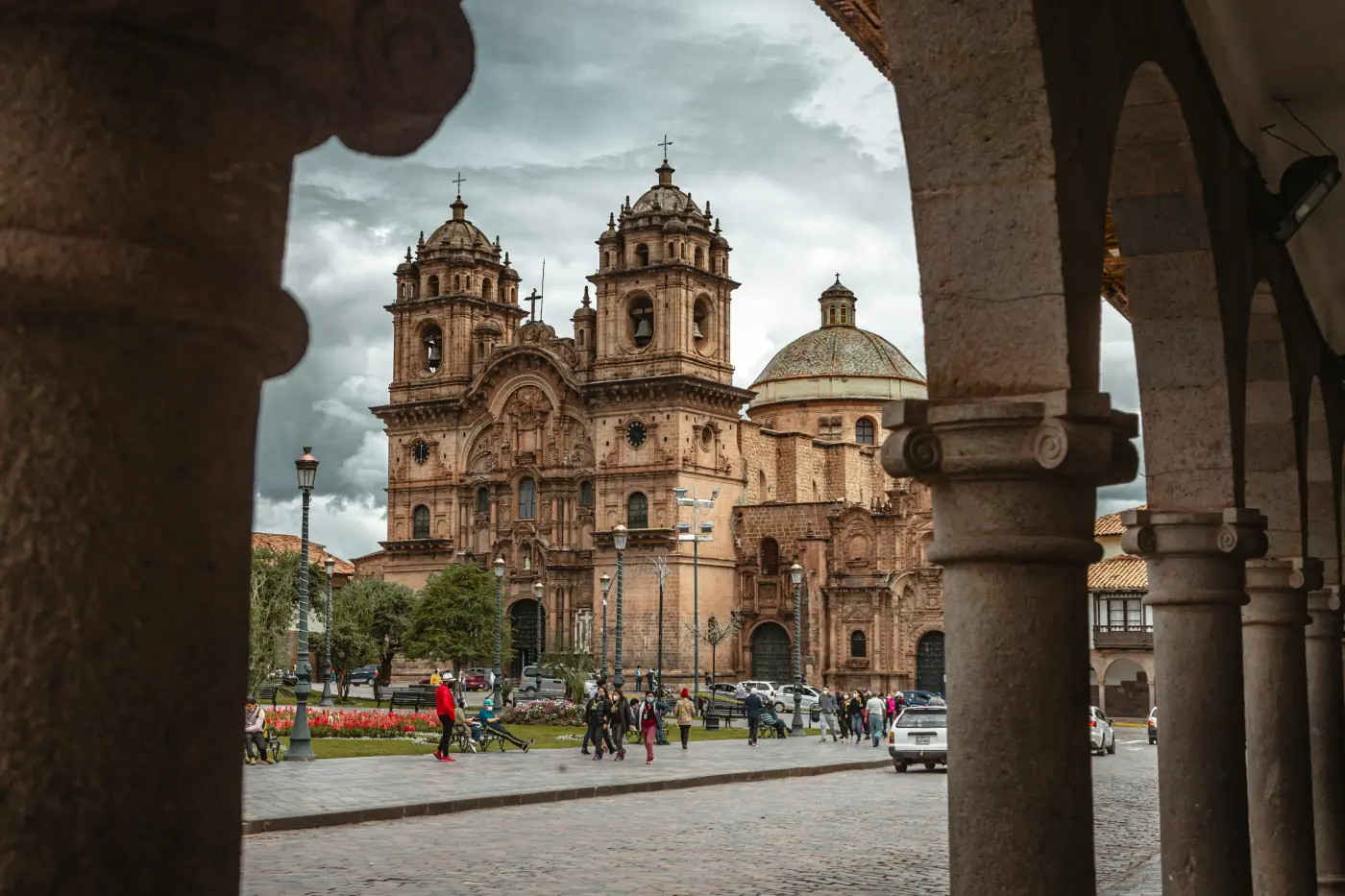
Plaza de Armas: has options for every budget, though prices run higher due to the tourist zone. Even so, restaurants like Limo or Morena Peruvian Kitchen offer memorable dining experiences.
"The best Cusco food isn't always found at the priciest restaurants. Markets and family-run picanterías hold the most authentic flavors of Cusco."
Tips for your visit
- Visit San Pedro Market between 8 and 11 a.m. for the best selection of juices and breakfasts.
- Try Cusco-style adobo on a Sunday morning — it's a not-to-be-missed tradition.
- If you can't handle spicy food, ask for your dishes "sin rocoto" (no rocoto) or "suavecito" (mild).
- Bring antacids if you have a sensitive stomach: Cusco food is delicious but hearty.
- Always ask about the "menú del día" (menu of the day) at local restaurants — it's the best value for money.
- Don't leave without trying chicha de jora (corn beer): it's the ancestral drink of the Incas.
Cusco's cuisine is a journey within the journey. Every dish tells a story of ecological zones, centuries-old traditions, and families who preserve recipes with pride. From crispy cuy in San Jerónimo to a steaming bowl of adobo on a cold Sunday morning, eating in Cusco is a way of connecting with the deepest essence of Peru. At Peru Beyond, our tours include local gastronomic experiences because we believe the best way to get to know a place is through its flavors.