Table of Contents Mostrar / Ocultar
Trail Stats · At a Glance
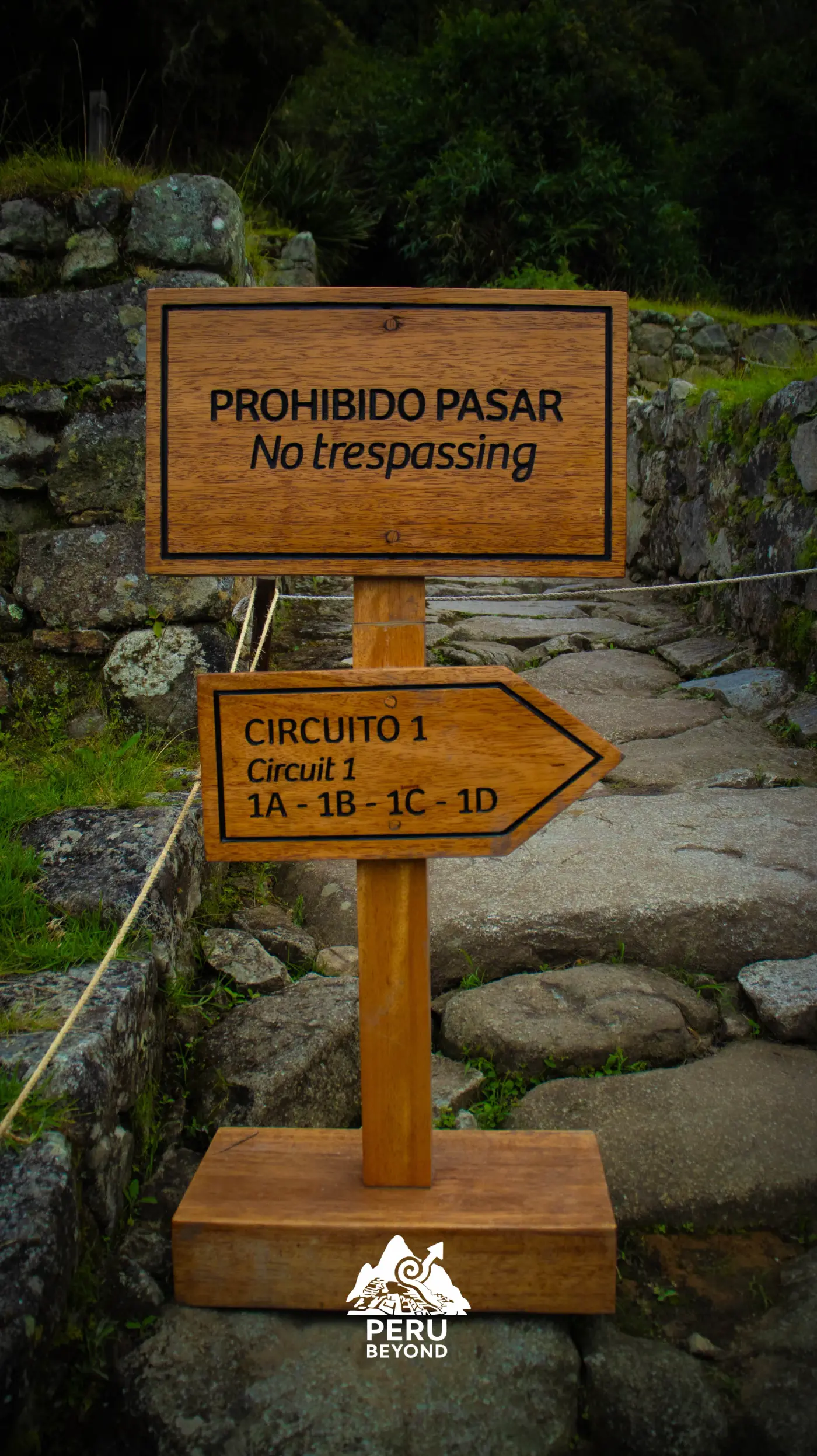
Planning a bucket-list journey to the seventh wonder of the modern world is an exhilarating milestone for any passionate traveler. However, visiting Machu Picchu in 2026 requires an understanding of recent official regulations. To protect this fragile UNESCO World Heritage sanctuary from the strain of overtourism and ensure sustainable visitor flow, Peru’s Ministry of Culture restructured the ancient citadel into 3 Primary Circuits encompassing 10 specialized sub-routes.
If you are researching Machu Picchu tickets and circuits, this comprehensive pillar guide explains which route aligns with your fitness level and photography ambitions, official entry costs, timetable windows, and why early planning is essential for a seamless adventure.
1. Quick Comparison Table: All Machu Picchu Circuits & Routes (“At a Glance”)
Before diving into each circuit, compare the core specifications of all 10 official routes at a glance to determine which one best fits your travel style, fitness level, and photography goals:
| Official Circuit | Included Sub-Route | Max Duration | Physical Level | Classic Postcard Photo? | Explores Stone Temples? | Advance Booking Window |
|---|---|---|---|---|---|---|
| Circuit 1 (Panoramic) | 1A: Machu Picchu Mountain | 4.0 - 4.5 hrs | Challenging / High | Yes (from 3,082 m / 10,111 ft) | No | 2 to 3 months |
| Circuit 1 (Panoramic) | 1B: Upper Terrace | 2.0 hrs | Easy / Accessible | Yes (100% Postcard) | No | 3 to 4 months |
| Circuit 1 (Panoramic) | 1C: Inti Punku (Sun Gate) | 2.5 hrs | Moderate | Yes | No | 2 months (High Season only) |
| Circuit 1 (Panoramic) | 1D: Inca Bridge | 2.5 hrs | Easy to Moderate | Yes | No | 2 months (High Season only) |
| Circuit 2 (Classic) | 2A: Classic Designed Route | 2.5 - 3.0 hrs | Moderate | Yes (The Best Postcard) | Yes (Complete Citadel) | 3 to 5 months (Top Pick) |
| Circuit 2 (Classic) | 2B: Lower Terrace | 2.5 hrs | Moderate | Yes (Classic View) | Yes (Full Urban Sector) | 3 to 4 months |
| Circuit 3 (Royalty) | 3A: Huayna Picchu Mountain | 3.5 - 4.0 hrs | Very Strenuous | No (Base angle only) | Yes (Lower & agricultural) | 4 to 5 months (Sells out first) |
| Circuit 3 (Royalty) | 3B: Royalty Designed Route | 2.0 hrs | Gentle / Accessible | No (Lower side angle) | Yes (Key royal temples) | 1 to 2 months |
| Circuit 3 (Royalty) | 3C: Great Cavern (Temple Moon) | 4.0 hrs | Strenuous | No | Yes (Lower sector) | 2 months (High Season only) |
| Circuit 3 (Royalty) | 3D: Huchuy Picchu Peak | 2.5 hrs | Moderate | No | Yes (Lower sector) | 1 to 2 months (High Season only) |
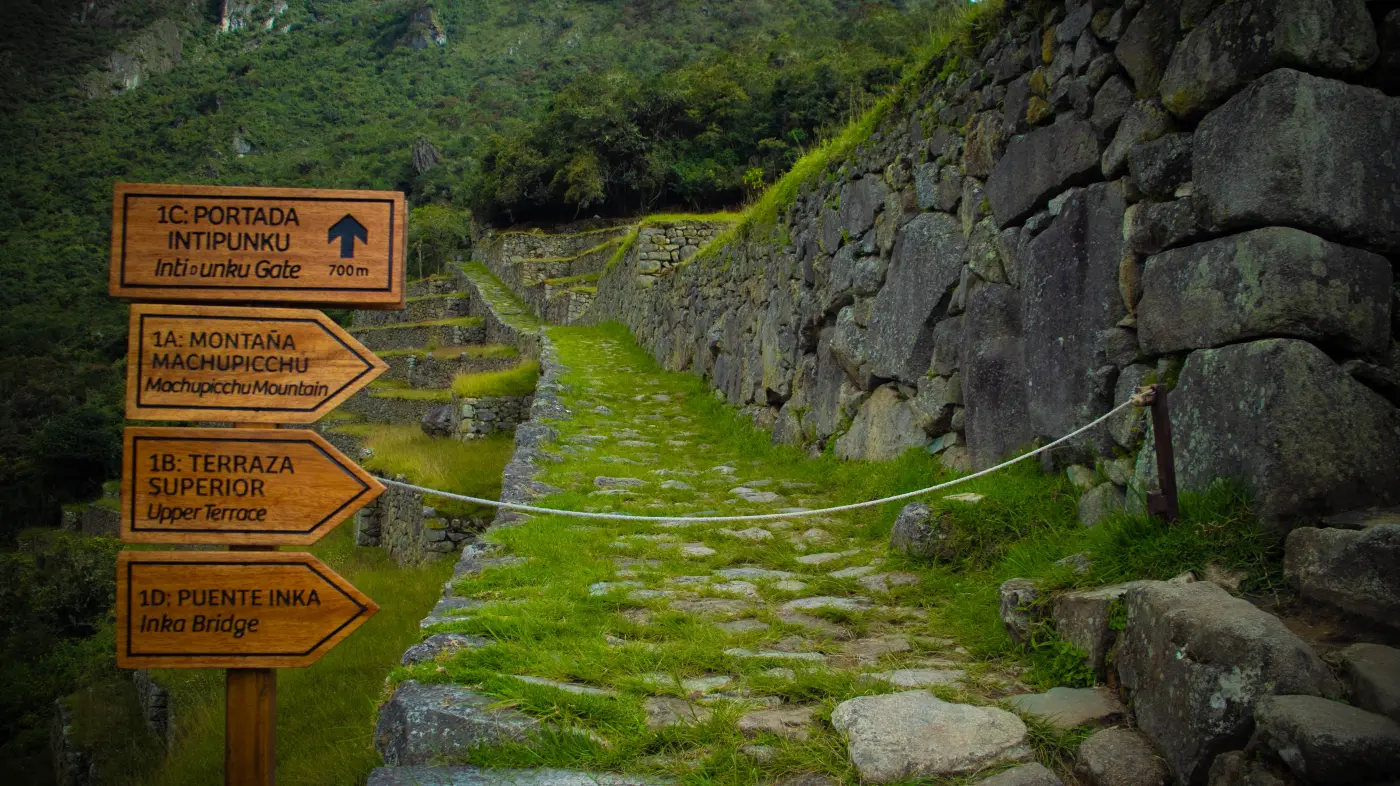 The legendary postcard perspective over Machu Picchu, captured via Circuit 1B, 2A, and 2B.
2. Why Did the Machu Picchu Ticketing System Change?
In years past, a single ticket granted unrestricted entry to roam almost all sectors of the citadel for several hours with re-entry privileges. Over time, high foot traffic caused structural strain on sensitive archaeological monuments like the Intihuatana stone, the Temple of the Sun, and the Guardian’s House terrace.
To guarantee conservation for generations to come, the Peruvian government introduced unidirectional flow rules and dynamic daily capacity limits:
- Regular Season: Controlled maximum capacity of approximately 4,500 to 5,000 visitors per day.
- High Season (June 1 to October 15 and selected holiday weeks): Expanded capacity of up to 5,600 visitors daily through dedicated overflow routes.
›› Quechua History & Meaning: In the ancestral Quechua language, Machu translates to “old” or “ancient,” while Pikchu signifies “peak” or “pyramid.” Built around 1450 CE under the reign of the visionary Inca Emperor Pachacuti, the citadel sits at an altitude of 2,430 m (7,972 ft) above sea level, perched dramatically between Andean peaks and the Amazon cloud forest.
3. In-Depth Breakdown of the 3 Main Circuits
Circuit 1: Panoramic (The Elevated Vista)
Circuit 1 is designed around the upper perimeter and terraces overlooking the citadel. It does not descend into the inner alleys, squares, or residential palaces of the urban area, but it rewards visitors with sweeping panoramic scenery.
Sub-Routes of Circuit 1:
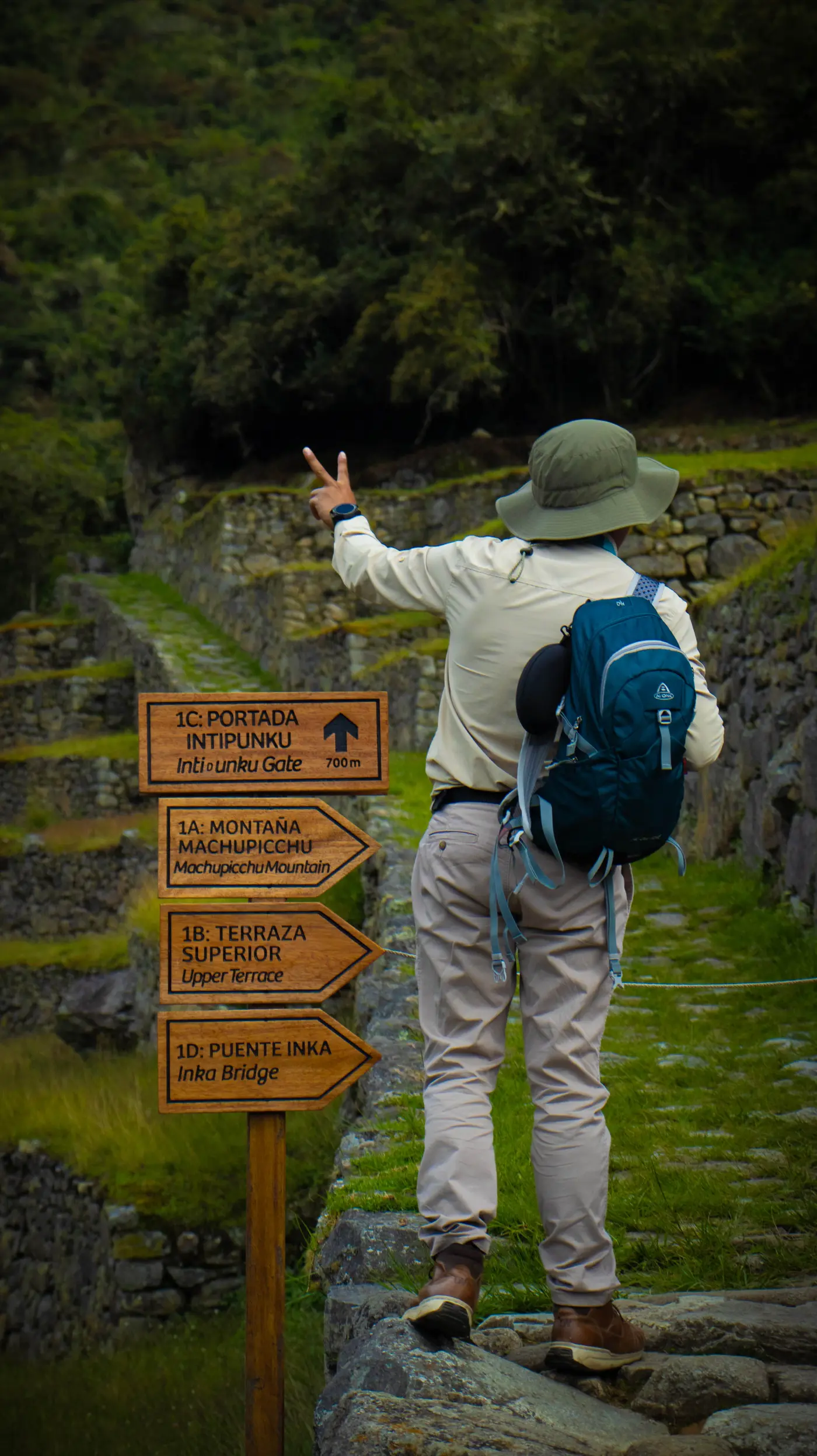
- Route 1-A (Machu Picchu Mountain): A steep stone staircase hike ascending over 1,600 original Inca steps to the pinnacle at 3,082 m (10,111 ft). Designed for active trekking enthusiasts.
- Route 1-B (Upper Terrace): The most popular panoramic ticket. It ascends smoothly to the Guardian’s House upper terrace, allowing you to capture the world-famous postcard photo without strenuous hiking.
- Route 1-C (Inti Punku / Sun Gate): Available exclusively during high season. Traces a section of the Classic Inca Trail back to the original ceremonial gateway into the citadel.
- Route 1-D (Inca Bridge): A gentle 30-minute cliffside walk leading to the cliff-hanging wooden drawbridge that guarded the western approaches.
- Who Is It Best For? Landscape photographers, return visitors who already toured the temples, and travelers with lower endurance who want the iconic postcard photo without descending hundreds of urban stone steps.
- Pros: Crisp, uncrowded photo vantage points; breezy open-air vistas.
- Cons: You cannot walk through the Sacred Plaza, the Temple of the Three Windows, or the royal palaces.
Circuit 2: Classic (The Gold Standard for First-Time Visitors)
If you are traveling to Peru for the first time, Circuit 2 is the premier ticket you should book. It provides the most balanced and comprehensive experience of the entire archaeological sanctuary.
Sub-Routes of Circuit 2:
- Route 2-A (Classic Designed Route): First ascends to the Guardian’s House for the quintessential postcard photo. Next, you pass through the Main City Gate to inspect the Stone Quarries, the Sun Temple Viewpoint, the Sacred Plaza, the Principal Temple, the Temple of the Three Windows, the Sacred Rock, the Water Mirrors, and the residential quarters.
- Route 2-B (Lower Terrace): Follows nearly the identical architectural path as 2A, passing through the terrace just beneath the Guardian’s House (where the photo perspective is equally magnificent) before guiding you through the urban core.
›› Peru Beyond Travel Tip: Circuit 2 tickets sell out months ahead. As soon as your international flights to Lima and Cusco are confirmed, secure this ticket before dates vanish.
- Who Is It Best For? First-time visitors, families, history enthusiasts, and culture seekers.
- Pros: You secure both the legendary postcard photograph AND the full archaeological walking tour.
- Cons: Highest global demand; requires earliest booking.
Circuit 3: Royalty (Mystical Ruins & Huayna Picchu Adventure)
Circuit 3 winds through the lower, intimate quarters of the citadel once reserved for Inca noblemen, priests, and agricultural custodians.
Sub-Routes of Circuit 3:
- Route 3-A (Huayna Picchu Mountain): The ultimate mountain adventure. After a brief tour of the lower sector, hikers pass the security checkpoint to tackle the famous “Stairs of Death” and narrow cliffside paths up to the 2,693 m (8,835 ft) summit.
- Route 3-B (Royalty Designed Route): A gentle, relatively flat walk through the lower royal quarters, the Temple of the Condor (during regulated hours), the Water Fountains, and the agricultural terraces.
- Route 3-C (Great Cavern / Moon Temple): A demanding trek descending the northern backside of Huayna Picchu into an exquisite cave temple with fine stonework.
- Route 3-D (Huchuy Picchu): A shorter 45-minute climb to the small mound beside Huayna Picchu.
- Who Is It Best For? Mountain climbers targeting Huayna Picchu, seniors or travelers with joint concerns seeking an accessible, gentle walk (Route 3B), and travelers unable to find Circuit 2 availability.
- Pros: The only way to summit Huayna Picchu; Route 3B features minimal stair climbing.
- Cons: Does not reach the high Guardian’s House; you will not get the classic elevated postcard angle.
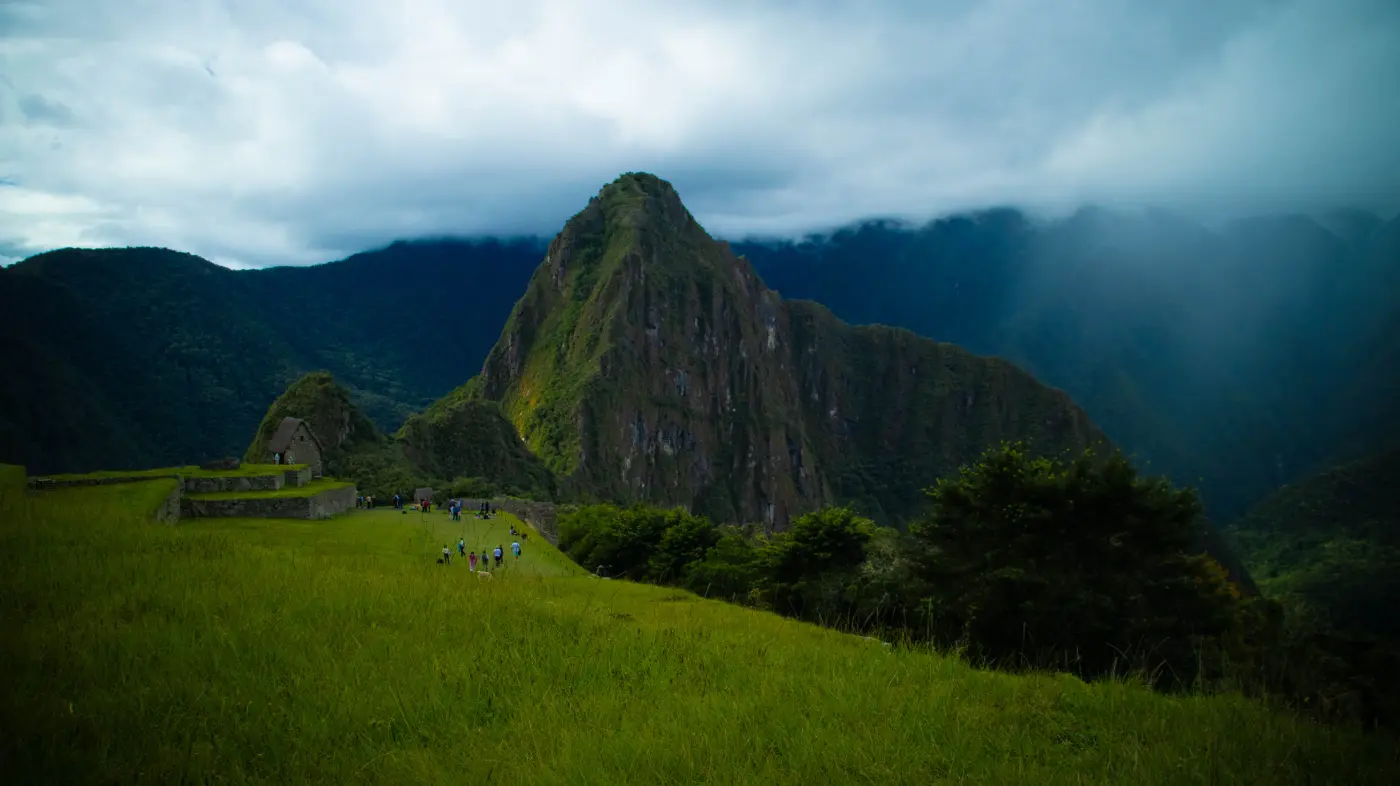 The dramatic summit of Huayna Picchu overlooking the ancient ruins.
4. Official Rates and Ticket Prices 2026
Machu Picchu admission fees are set by Peru’s Ministry of Culture:
General Foreign Tourist Rates:
- Standard Citadel Ticket (Circuits 1B, 2A, 2B, 3B): 152 PEN (~$40 - $42 USD) per adult.
- Citadel + Mountain Hike (1A Mountain or 3A Huayna Picchu): 200 PEN (~$53 - $55 USD) per adult.
- University Student Rate (Valid original student card): 77 PEN (~$21 USD).
- Youth & Children (Ages 3 to 17): 70 PEN (~$19 USD).
Note: Budget an additional $120 - $210 USD for roundtrip scenic train tickets (PeruRail or Inca Rail), $24 USD for roundtrip Consettur shuttle buses between Aguas Calientes and the citadel gates, plus your certified local guide fee.
5. Entry Time Slots & Rules
To ensure a smooth distribution of visitors, tickets are sold in rigid 60-minute entry windows:
- Morning Entry (06:00 to 07:00): Watch morning mist part over the Andes as dawn illuminates the ruins.
- Mid-Morning (08:00 to 11:00): Most requested slots; highest convenience.
- Afternoon (12:00 to 15:00): Golden photographic lighting, pleasant temperatures, and quieter walking paths.
The sanctuary closes strictly at 17:30 daily.
6. How to Book: Solo vs. All-Inclusive Package
While purchasing directly on government portals is an option, synchronizing train departure timetables, shuttle buses, and guide schedules can prove stressful.
When booking through Peru Beyond, our local Cusco operations team secures your official circuit tickets, synchronizes luxury panoramic train transfers, provides private hotel pickups, and matches you with a passionate local guide:
- Machu Picchu Full Day Tour: The most efficient 1-day journey from Cusco.
- Cusco & Machu Picchu 3D/2N: The classic cultural escape.
- Cusco, Sacred Valley & Machu Picchu 4D/3N: The ideal acclimatization package.
7. What to Pack for Machu Picchu (Daypack Checklist)
- Original Physical Passport (Strict requirement; digital photos are refused).
- Printed or digital PDF ticket with clean QR codes.
- Daypack under 20 liters (Oversized hiking packs must be checked in storage lockers).
- Reusable water bottle or canteen (Single-use plastics are forbidden).
- High-SPF reef-safe sunscreen and UV sunglasses.
- Eco-friendly insect repellent.
- Lightweight waterproof jacket or rain poncho.
- Sturdy hiking shoes with gripping tread.
- Cash in Peruvian Soles (PEN) for restrooms (2 Soles) and lockers.
Reserva tu experiencia garantizada con Peru Beyond
Boletos oficiales, traslados privados, guías certificados y asistencia 24/7 en español, inglés y portugués.